
The first week of April I went to Washington, DC for the National Academy of Medicine’s (NAM) Climate Community Network annual meeting and NAM’s Climate and Health Summit. The National Academy of Medicine’s third annual Climate and Health Summit brought together leaders across the health sector to explore the latest insights, innovations, and opportunities at the intersection of climate and health. The Summit signals the importance NAM places on climate’s effect on our health. The Climate Communities Network (CCN) brings together community leaders (“Members”) who work for community-based organizations in US communities that are disproportionately impacted by climate change and related health outcomes. The CCN elevates community expertise, experience, and efforts to address the structural drivers of unevenly distributed climate-related health outcomes in Member communities.
I flew up a day early so I could go to the Environmental Protection Agency’s (EPA) DC Reading Room to review the Risk Management Program (RMP) documents for facilities here in Calcasieu Parish. This system regulates over 12,000 of the most hazardous facilities in the US, including hundreds of facilities that make chemicals for plastic, and the current federal administration is trying to gut the system. In 2024, reform of the RMP was implemented and gave communities a lot more protection than before. This administration is trying to reduce those protections, which will make us a lot less safe!
These documents can only be accessed in an EPA reading room, and every state is supposed to have one. You can visit the Reading Room and see the documents for the area your Local Emergency Planning Committee covers. I should have been able to access these documents in Baton Rouge, but that Reading Room is closed. The next closest one would have been in Dalla, Texas – but that one is also closed. Kind of feels as if they don’t want us to know the information, doesn’t it?
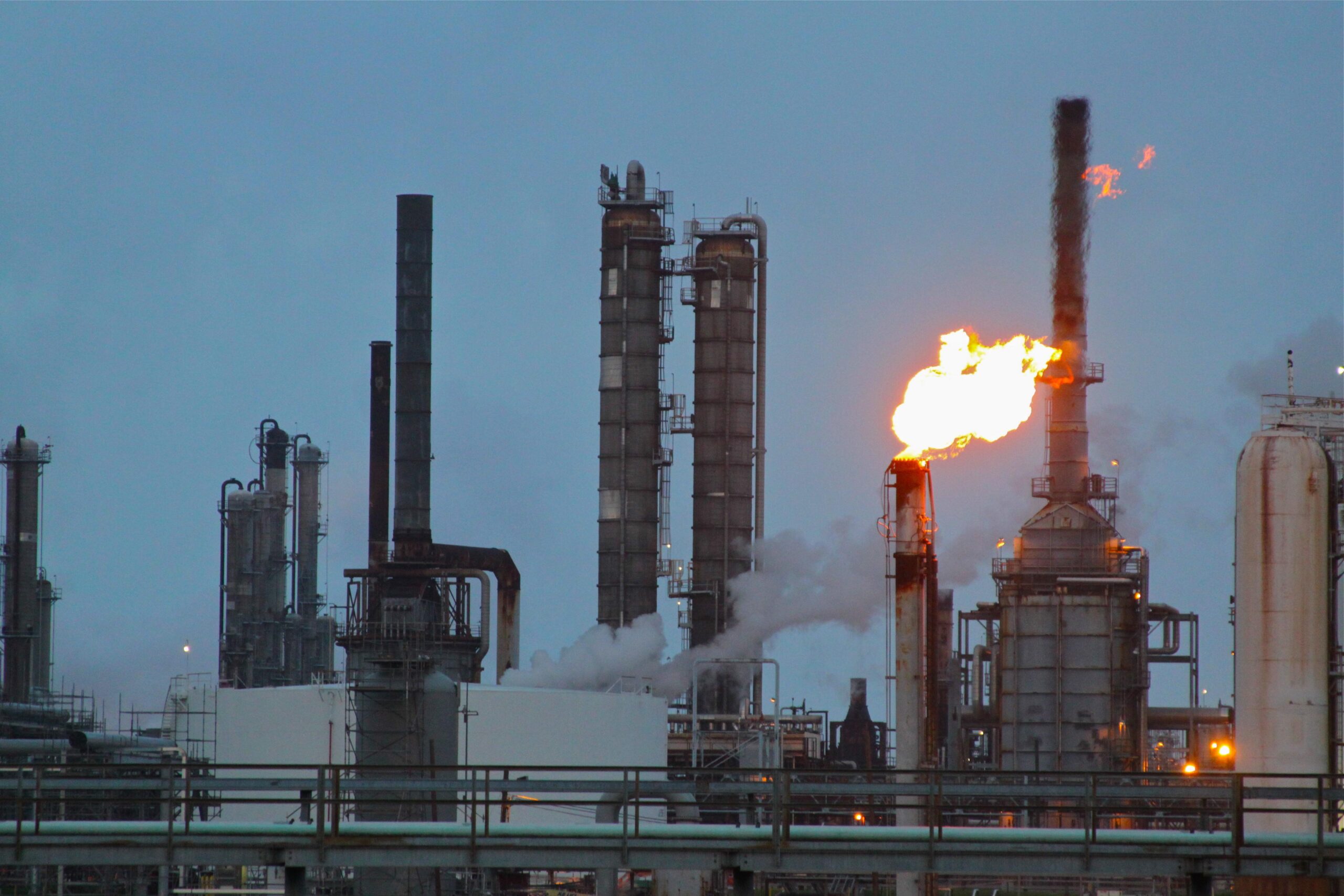
You can’t take pictures or make copies of the documents, so I completed a form where I recorded the Toxics Worst Case and Flammables Worst Case information. It was eye opening – and frightening, given how many of the local facilities have frequent leaks, spills, excessive flaring and flat-out accidents. Our scientists told me that the more small accidents a facility has, the more likely a big accident will happen. We are one mistake away from a major accident. Here is a table that outlines the worst-case scenario for a few of the facilities I reviewed.
The table has a chemical name, how much would be released in a worst-case scenario, how far the release will go and how many residents it will affect. These are just a few of the 27 worst case scenarios I reviewed.
| Toxic | Fire | Chemical Name | Qty released in pounds | Distance release would travel | Population #Affected | |
| X | Ammonia | 153,965 | 6.9 | 67,969 | ||
| X | Hydrazine | 83,500 | 5.4 | 83,300 | ||
| X | Chlorine | 4,409 | 1.9 | 4,945 | ||
| X | Vinyl chloride | 9,968,358 | 1.3 | 1,895 | ||
| x | Titanium Tetrachloride | 245,016 | 9.3 | 160,000 |
