
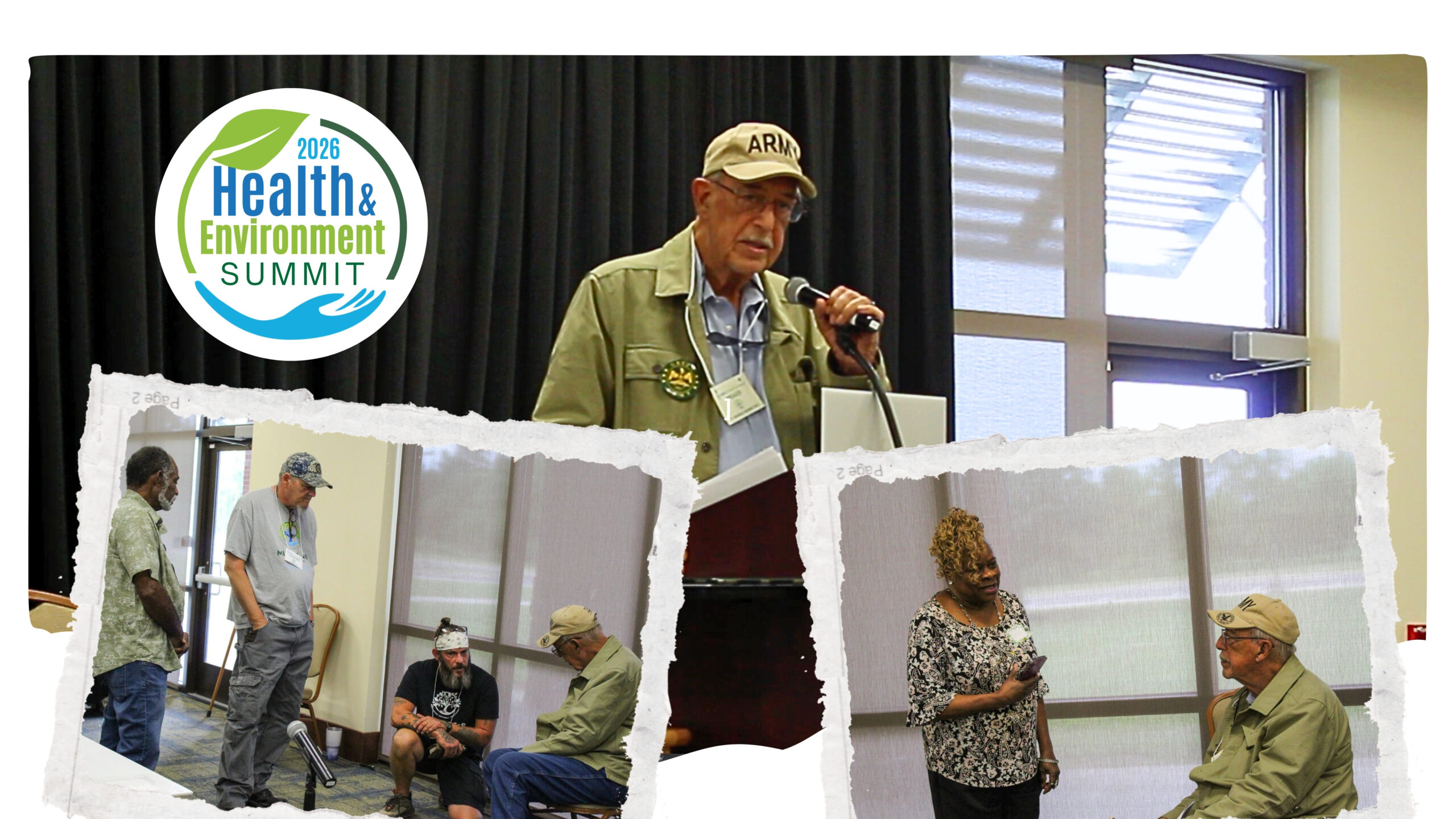
Retired Lt. Gen. Russel L. Honoré urged Southwest Louisiana residents to examine the connections between industry, public health, poverty and government accountability during Micah 6:8 Mission’s 2026 Health & Environment Summit.
SULPHUR, LA. — More than two decades after Hurricane Rita brought him to Southwest Louisiana as part of a massive disaster response effort, retired Lt. Gen. Russel L. Honoré returned to the region with a message focused on preparedness, public health and accountability.
Speaking at Micah 6:8 Mission’s Health & Environment Summit on Sept. 26, Honoré recalled arriving in Lake Charles after Hurricane Rita and traveling toward Cameron, where residents urgently needed fuel, food, water and emergency assistance. He described helping coordinate supplies and a helicopter delivery to an area heavily damaged by storm surge. The experience, he said, stayed with him as an example of both the vulnerability and resilience of Southwest Louisiana communities.
Honoré, who leads the Green Army and has remained active in environmental advocacy since retiring from the military, said communities should not have to wait for a hurricane, industrial accident or other emergency before systems designed to protect residents begin working.
A major focus of his keynote was industrial safety and communication. Honoré discussed incidents in which nearby residents said they did not receive timely information about industrial emergencies and questioned why facilities should continue operating when major safety concerns have been identified. He argued that serious violations should be corrected and verified before production resumes.
At the same time, Honoré acknowledged the economic importance of industry in Louisiana. He described meeting workers who were proud of their jobs and the income those jobs provided, while emphasizing that employment and public safety should not be treated as opposing priorities. “Industrial jobs matter to workers and their families,” Honoré said. His broader message was that communities can value industrial employment while still asking whether workers and neighboring residents are being adequately protected.
Honoré also spoke about Louisiana’s health challenges, arguing that conversations about illness should include more than individual lifestyle choices. Where people live, what they may be exposed to, whether they can access healthcare and how quickly they can receive a diagnosis can all shape health outcomes, he said.
He connected those challenges to poverty, particularly in rural communities where families may have fewer choices about housing, schools, transportation and medical care. “When you’re poor, you don’t get to pick where you live,” Honoré told the audience.
“When you’re poor, you don’t get to pick where you live,” Honoré told the audience.
He also questioned whether Louisiana communities receive enough public benefit from large industrial developments that receive tax exemptions. Roads, schools, water systems, emergency services and healthcare still require funding, he said, and residents should understand what their communities are giving up and receiving in return.
Honoré did not dismiss the economic benefits of industrial development. Instead, he asked attendees to consider how those benefits and burdens are distributed, particularly in communities facing both infrastructure needs and environmental concerns.
During the audience discussion, attendees asked what residents could do to advance stronger industrial safety protections. Honoré encouraged people to pay attention to lawmakers, committee assignments, voting records and campaign contributions, and to communicate directly with elected officials about local concerns. “Find legislators willing to introduce and support the measure,” he said, while noting that previous efforts to advance safety legislation had not always succeeded.
“Find legislators willing to introduce and support the measure,” he said.
The keynote reflected a challenge familiar across Southwest Louisiana: a region heavily connected to industry while also facing hurricanes, industrial accidents, health concerns and infrastructure needs. Honoré’s message was not that communities must choose between economic development and environmental protection. Instead, he argued that industries can create jobs while still being expected to operate safely, and that residents can support local workers while demanding stronger protections and greater accountability.
For Micah 6:8 Mission, those questions are central to the Health & Environment Summit and its ongoing work to connect environmental conditions with the health and well-being of Southwest Louisiana communities. Honoré encouraged attendees to continue examining local data, asking questions and pushing for practical solutions that protect the people who live and work in the region.
